
FSSAI Registration & Licence
Basic registration, state or central food licence.
Import Export Code registration to start trading globally – we file your IEC application with DGFT and handle annual updation and modifications so your code never gets deactivated.
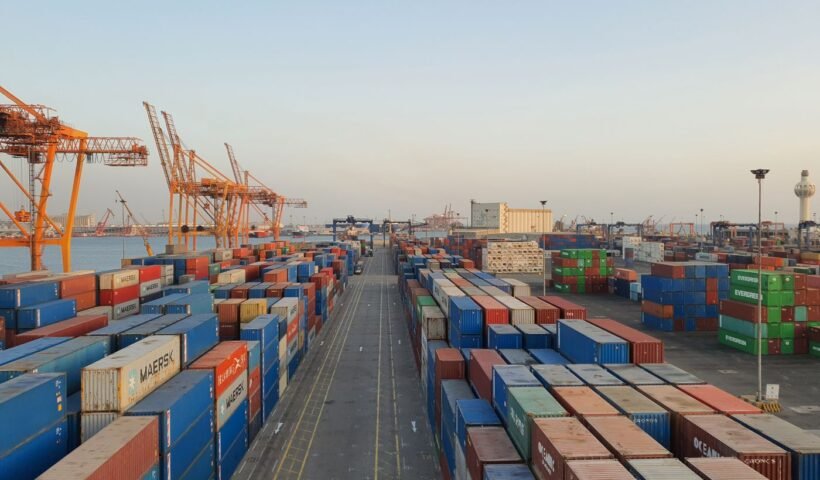
The Import Export Code (IEC) is a 10-digit code issued by the Directorate General of Foreign Trade (DGFT) that is required for importing or exporting goods and, in most cases, for receiving foreign payments for services. Customs, banks and shipping lines ask for your IEC on every cross-border transaction.
Some categories, such as imports for personal use and certain government departments, are exempt.
Every IEC holder must update or confirm their IEC details on the DGFT portal every year between April and June, even if nothing has changed. If you miss it, your IEC is deactivated until you update it. We remind you every year.
Add GST registration to claim refunds of GST on exports or to export under a Letter of Undertaking.
After you purchase, log in to My Account → My Services and upload each document below. Scanned copies or clear phone photos (PDF, JPG or PNG) are fine. Your files are stored privately and seen only by your assigned expert.
We verify PAN, address and bank details.
Your profile is created on the DGFT portal.
IEC application filed with the government fee.
Your e-IEC certificate is issued and shared.
It is generally needed to claim export benefits and is often asked for by banks for foreign inward remittances. Many service exporters obtain it for this reason.
No, but it must be updated on the DGFT portal every year between April and June, or it will be deactivated.
No. An IEC can be obtained with PAN alone, but GST registration is needed for most export and import operations.
Basic registration, state or central food licence.
Udyam certificate for subsidies, loans and payment protection.
State registration for shops, offices and establishments.
Speak to a Nevo Legal expert. We will understand your requirement and recommend the right legal route – no obligation.